Arts education is not merely a supplementary component of education but a crucial driver of intellectual and emotional development. When integrated into the educational framework, arts programs can enhance cognitive abilities, foster creativity, and contribute to a more well-rounded education. As we delve into the unappreciated yet profound connection between arts programs and academic achievement in private schools, it becomes evident that the arts are instrumental in fostering holistic growth.
Encourages Creativity and Critical Thinking
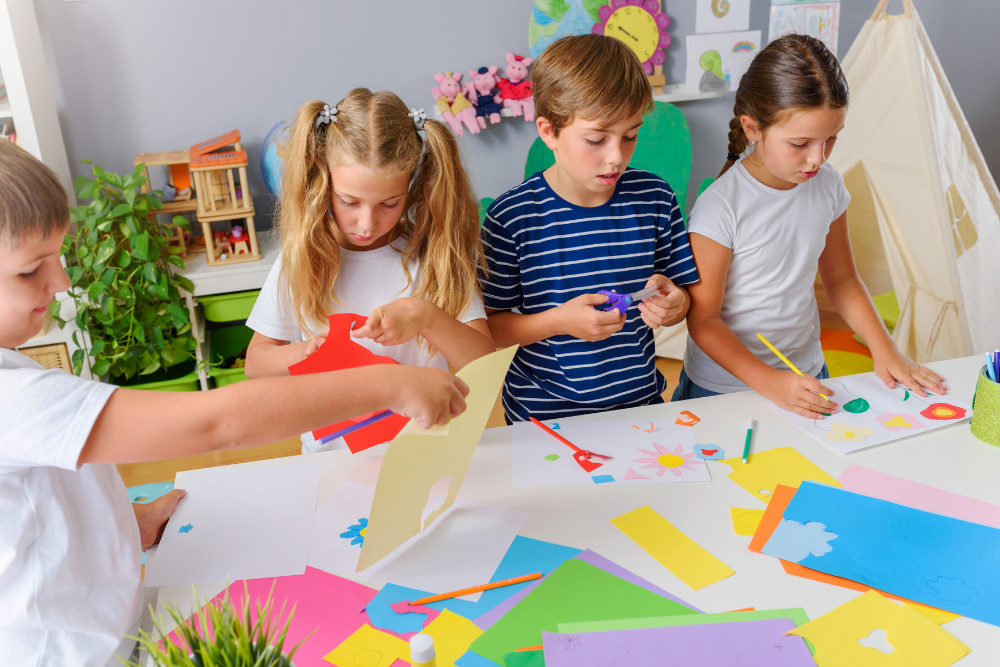
One of the most significant ways in which art programs influence academia is by enhancing young learners’ creativity and problem-solving skills. When students engage in artistic endeavours such as painting, music, or drama, they learn to think outside the box and approach problems with a fresh perspective. According to the American Montessori Society, the Montessori Method, developed by Dr. Maria Montessori in the early 1900s, emphasizes a hands-on learning approach, where children can explore and learn through experience. This method supports the integration of arts, allowing children to apply what they learn in creative ways and thereby solidifying their comprehension of academic subjects.
Strengthens Communication and Expression
Furthermore, arts programs in private schools have a notable impact on improving communication skills. Whether participating in a theatre production or a choir, students are given the opportunity to refine their verbal and nonverbal communication skills. This is critical, as clear communication is not only vital in the arts but across all academic disciplines. By expressing themselves through various artistic mediums, students learn to convey complex ideas and emotions, a skill that translates into improved writing and speaking capabilities.
Fosters Emotional Intelligence and Empathy
The arts also play a crucial role in boosting emotional intelligence and empathy. Engaging in arts activities helps students in private schools explore human experiences and emotions, encouraging them to understand different perspectives. This kind of emotional learning leads to better interpersonal skills and can create a more compassionate and inclusive classroom environment. As empathy and emotional intelligence advance, students are often more motivated and engaged, creating a positive cycle of academic growth.
The connection between arts programs and academic growth in private schools is undeniable. Through creativity, enhanced communication, and emotional understanding, arts education promotes a robust intellectual foundation and fosters skills valuable across all areas of life. As we strive to educate future generations, it is essential to value and incorporate the arts as a pivotal element of academic development, ensuring students emerge not only as knowledgeable but as well-rounded, empathetic individuals. Are you looking for private schools for your little one? Reach out to us today at Rowntree Montessori Schools!